Usually, yes. Since August 29, 2025, packages no longer enter the US duty-free under the old $800 limit, and since July 24, 2026, jewelry from most of the countries that make sterling silver also carries an extra tariff. A sterling piece made in Italy now owes about 10 percent of its price at the border; one made in India, Mexico, Thailand, or Turkey owes 15 to 17.5 percent; and one made in China, about 25 percent. Whether you pay it at checkout, at your door, or not at all depends on the seller. Here is how the rules work, what each rate comes to, and how to avoid a surprise bill.
Key takeaways
- The $800 duty-free limit is gone. It was suspended on August 29, 2025, made indefinite in June 2026, and ends in law on July 1, 2027.
- Where the piece was made sets the rate: 5 percent regular duty on most sterling jewelry, plus a Section 301 tariff for 60 economies, for about 10 to 25 percent in all.
- The seller decides who pays. “Duties included” or a duty line at checkout means no bill on delivery; otherwise the carrier bills you, often with a fee.
- Gifts of $100 or less sent by someone abroad still come in duty-free.
- Buying from US stock? There is no duty bill for you: any duty was paid when the stock came in.
In this guide What changed Rates by country Who pays Gifts and trips Refunds Before you order FAQ
What changed: the end of duty-free
For years, a package worth $800 or less entered the US duty-free under a rule known as de minimis, which is why a ring ordered from a workshop abroad rarely cost more than its price and shipping. That ended on August 29, 2025, when the exemption was suspended for packages from every country, according to the White House fact sheet on the order.
When the Supreme Court struck down the tariffs imposed under the emergency-powers law known as IEEPA in February 2026, the suspension stayed. Customs adopted it under its own authority instead, in rules published on June 24, 2026, that made it indefinite for mail and for every other way goods arrive. Congress has also repealed the exemption in law, effective July 1, 2027, through the One Big Beautiful Bill Act.
For a jewelry buyer, that means every piece shipped from abroad now goes through customs and owes whatever duty applies to it, however little it cost. Two exceptions remain, both covered below: gifts of $100 or less, and what you carry home from a trip.
What sterling jewelry owes, by country
The duty is a percentage of what the piece cost, and it comes in two parts. The first is the regular duty, the rate the US charges on imports from most countries: 5 percent for most finished sterling jewelry, under tariff code 7113.11.50. Chain can fall under a separate line, 7113.11.10, at 6.3 percent, and very cheap pieces, worth $1.50 or less each, under 7113.11.20 at 13.5 percent, according to ustariffrates.com.
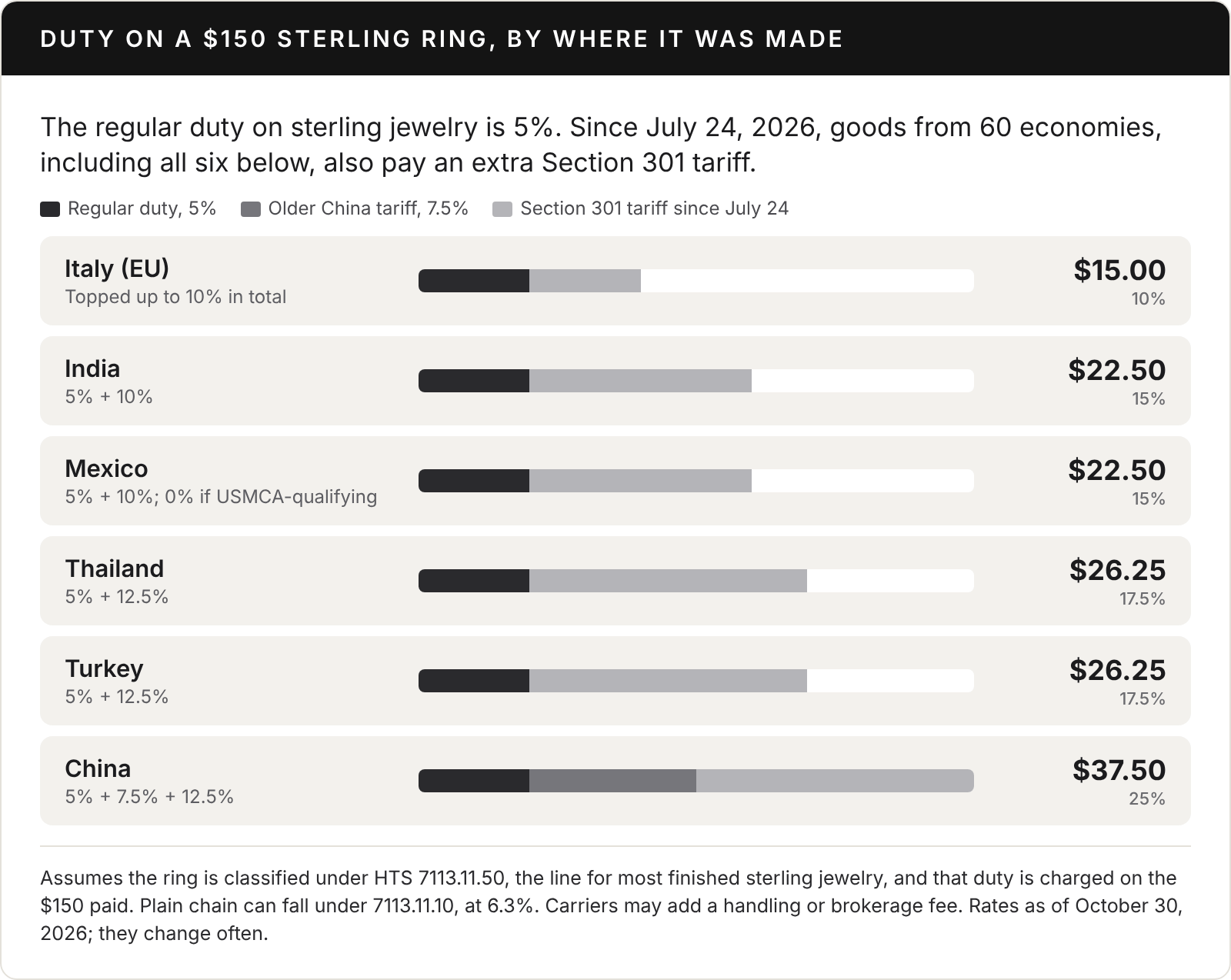
The second part is new. On July 24, 2026, as the temporary 10 percent tariffs from February expired, the US Trade Representative put Section 301 tariffs on goods from 60 economies after investigating whether they bar imports made with forced labor, National Jeweler reported. India, Mexico, and the UK pay 10 percent on top of the regular duty; Thailand, Turkey, China, Hong Kong, and Vietnam pay 12.5 percent. EU goods work differently: the tariff only tops the total up to 10 percent, so a sterling piece from Italy owes 10 percent in all, as Holland & Knight and Centurion explain. Jewelry from China also still carries an older Section 301 tariff of 7.5 percent, as CBP’s rulings on sterling necklaces note.
| Where it was made | Regular duty | Section 301 tariff | Total | On a $150 piece |
|---|---|---|---|---|
| Italy and the rest of the EU | Regular duty5% | Section 301 tariffTops the total up to 10% | Total10% | On a $150 piece$15.00 |
| India | Regular duty5% | Section 301 tariff10% | Total15% | On a $150 piece$22.50 |
| United Kingdom | Regular duty5% | Section 301 tariff10% | Total15% | On a $150 piece$22.50 |
| Mexico | Regular duty5%; none if USMCA-qualifying | Section 301 tariff10%; none if USMCA-qualifying | Total15%, or 0% | On a $150 piece$22.50, or $0 |
| Thailand | Regular duty5% | Section 301 tariff12.5% | Total17.5% | On a $150 piece$26.25 |
| Turkey | Regular duty5% | Section 301 tariff12.5% | Total17.5% | On a $150 piece$26.25 |
| China | Regular duty5% | Section 301 tariff12.5%, plus an older 7.5% | Total25% | On a $150 piece$37.50 |
Three details decide which row applies to you. The rate follows where the piece was made, not where it ships from, so a ring made in Thailand and sold by a shop in Italy pays the Thai rate. The duty is figured on the price of the piece; international shipping generally isn’t added to it. And Mexican silver, including pieces from Taxco, can enter duty-free when it qualifies under the USMCA trade agreement and the preference is claimed at entry, so ask the seller whether it does.
Who pays: you, the seller, or the carrier
Someone has to pay the duty, and the listing or checkout page usually tells you who. There are three common setups.
- “Duties included,” “DDP,” or duty added at checkout. The seller, or a service working for it, pays customs, and nothing more is due on delivery. Compare these sellers on the total you pay, not the item price.
- “Duties not included,” “DDU,” or nothing said. Express carriers such as UPS, FedEx, and DHL pay the duty to clear the package, then bill you, either before they hand it over or on an invoice afterward, often with a processing or brokerage fee on top.
- Sent by mail. Customs doesn’t collect duty on mailed packages at your door; it is paid by a filer, normally arranged on the seller’s side, so a seller who mails your order should charge it at checkout. Stricter filing rules for mailed packages that owe Section 301 tariffs take effect on January 20, 2027, after a 90-day delay, Thompson Hine reports.
Refusing the package to avoid the bill rarely ends well. It is sent back or abandoned, and the seller may refund only part of what you paid, or nothing, so settle who pays the duty before you order.
Gifts and things you carry home
Gifts are the main exception. A genuine gift worth $100 or less, sent by someone abroad to someone in the US, still enters duty-free; the June 2026 rules left that exemption unchanged. It has to be a real gift: jewelry you buy for yourself doesn’t qualify, even if the seller marks the package as a gift, and CBP limits each person to $100 worth of gifts in one day.
Jewelry you buy on a trip and bring home in your luggage falls under a separate, larger allowance for travelers, which these changes also left in place. CBP lists it as $200, $800, or $1,600, depending on where you went and for how long. Declare everything you bought; anything over your allowance is dutiable.
If you paid tariffs on a package before February 2026
The IEEPA tariffs the Supreme Court struck down are being refunded. Customs pays refunds only to the importer of record, so for packages that UPS, FedEx, or DHL cleared, the carriers are claiming the money, and each has said it will pass refunds on to the customers who paid those charges, CBS News reported in August. DHL says its process is automatic, FedEx has a portal where you can check a tracking number, and UPS expects customers to be paid within one to three months of its own reimbursement. Only the struck-down tariffs come back; the regular 5 percent duty doesn’t.
Before you order jewelry from abroad
- Find out where it ships from and where it was made. A US website doesn’t mean US stock; the shipping or FAQ page usually says.
- Look for “duties included” or a duty line at checkout. If the seller says nothing, assume the carrier will bill you.
- Add the duty before you compare prices. A $150 ring made in Thailand costs about $176 if the duty is billed to you, plus any carrier fee.
- Ask what happens to the duty on a return. If the seller doesn’t refund it, it is a cost you won’t easily get back.
- Allow extra time. Customs adds a step to every international delivery; for Christmas, see the order dates in our last-minute gift guide.
FAQ
Is there duty on sterling silver jewelry from overseas?
Yes, in most cases. The regular US duty on most finished sterling jewelry is 5 percent, and since July 24, 2026, pieces from 60 economies, including the EU, India, Thailand, Turkey, and China, also pay a Section 301 tariff, for about 10 to 25 percent in total.
Is the $800 de minimis exemption coming back?
Not under current rules. It has been suspended since August 29, 2025, customs made the suspension indefinite in June 2026, and the One Big Beautiful Bill Act ends it in law on July 1, 2027.
How much is duty on jewelry from Italy?
For most sterling pieces, 10 percent of the price in total: the 5 percent regular duty, topped up to 10 percent by the Section 301 tariff on EU goods. On a $150 ring, that is $15, plus any carrier fee.
How much is duty on jewelry from China?
About 25 percent for most sterling pieces: the 5 percent regular duty, an older 7.5 percent Section 301 tariff, and the 12.5 percent one added in July 2026. On a $150 ring, that is $37.50.
Do I pay duty on a gift sent from abroad?
Not if it is a genuine gift worth $100 or less, sent to you by someone abroad. Over $100, or if you bought it yourself, duty applies.
Do I pay duty if I buy from a US website?
Not if the order ships from inside the US. Plenty of sellers with US-facing websites ship from abroad, though, so check where your order ships from before you buy.
Can I refuse to pay the duty?
You can refuse the package, but then you don’t get the jewelry: it is returned or abandoned, and the seller may keep some or all of what you paid. It is better to settle who pays before you order.
Bottom line
Silver jewelry shipped to the US from abroad now owes duty, whatever it cost: about 10 percent of the price for a typical sterling piece from Italy, 15 to 17.5 percent from India, Mexico, Thailand, or Turkey, and about 25 percent from China. The rate is rarely the problem; the surprise bill at the door is. Before you order, find out where the piece was made, where it ships from, and whether the duty is already in the price.
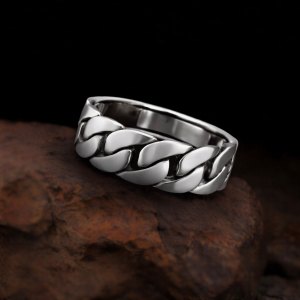
From the collection
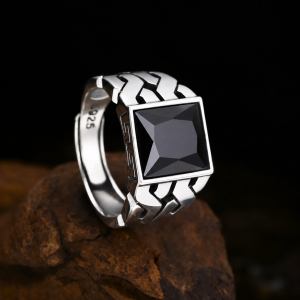
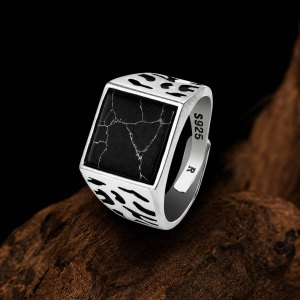
Men’s sterling silver rings by Ronatelli
Eleven handmade 925 rings, $129 to $169, from a chain-link band to a black onyx statement ring. Every one is adjustable.
Related guides
This article explains US import rules for jewelry buyers; it is not legal or tax advice, and rates change often. The de minimis history follows the White House fact sheet of July 30, 2025, and CBP’s interim final rules in the Federal Register of June 24, 2026, as summarized by KPMG; the gift and traveler allowances follow those rules and CBP’s traveler guidance; and the January 20, 2027, mail date follows Thompson Hine. Section 301 rates follow National Jeweler, Centurion, and Holland & Knight; regular duty rates follow ustariffrates.com; and the older China tariff follows CBP ruling N325089. Carrier refund details follow CBS News. All were checked on October 30, 2026. Read our editorial policy.

