Platinum-plated jewelry is another metal with a thin coat of platinum on top; sterling silver is 92.5 percent silver all the way through. The plating gives a bright white surface that doesn’t tarnish, but it is thin, it wears where a piece rubs, and once it does, the metal underneath is what you own. You’ll see the label more often from here: Pandora, the Danish charm brand, is moving part of its range from sterling to platinum plating to cut its exposure to silver prices. Here is what each label means, how plating wears, and how to tell what you are buying.
Key takeaways
- Platinum-plated isn’t platinum. To be sold as platinum in the US, a piece must be at least 950 parts per thousand pure; a plated piece is mostly another metal.
- What matters is underneath. “925 platinum-plated” is sterling with a platinum skin; “platinum-plated” with no 925 can mean an alloy or brass base.
- Plating wears. Rhodium on a ring worn daily typically needs redoing every 12 to 18 months, and US rules set no minimum thickness for platinum or rhodium plating.
- Sterling lasts longest. It can be polished, repaired, and re-plated for decades, and it keeps its metal value.
- Check the specs: the base metal, the plating, and, if the seller lists it, the thickness in microns.
In this guide What it means Why now The labels How it wears How to check Which to buy FAQ
What “platinum-plated” means
Plating is a thin layer of one metal bonded to the surface of another, usually by electroplating. A platinum-plated piece gets its look from the platinum on its surface: bright, white, and resistant to tarnish. Its weight, its strength, and most of its metal value come from whatever is underneath.
In the US, the FTC’s Jewelry Guides set the rules for the words. A piece can be called “platinum” only if it is at least 950 parts per thousand pure platinum, and it can be called platinum-plated only if all of its significant surfaces carry a platinum plating of reasonable durability. The Guides set no minimum thickness for that plating. They do for gold: 0.175 microns for gold electroplate, and 2.5 microns for heavy gold electroplate and for vermeil.
Why you’re seeing it more
Silver’s run to $121.64 an ounce in January made sterling expensive to work with, and Pandora, which built its business on sterling charms and bracelets, decided to depend on it less. In February it said it would move much of its silver range to platinum plating at about the same retail price, JCK reported, and by 2027 it expects half of the targeted silver range to have switched.
The pieces use a thin platinum layer over an alloy core, according to IDEX. Pandora began a pilot in the Netherlands in July and plans a broader test of selected designs across markets in the fourth quarter of 2026 before scaling up in 2027, it said in its second-quarter report; it hasn’t named a US date. Silver has since fallen below $50, but Pandora has kept to the plan because it wants steadier costs, TheStreet reported. Our explainer on why silver prices are falling covers the drop.
The labels, decoded
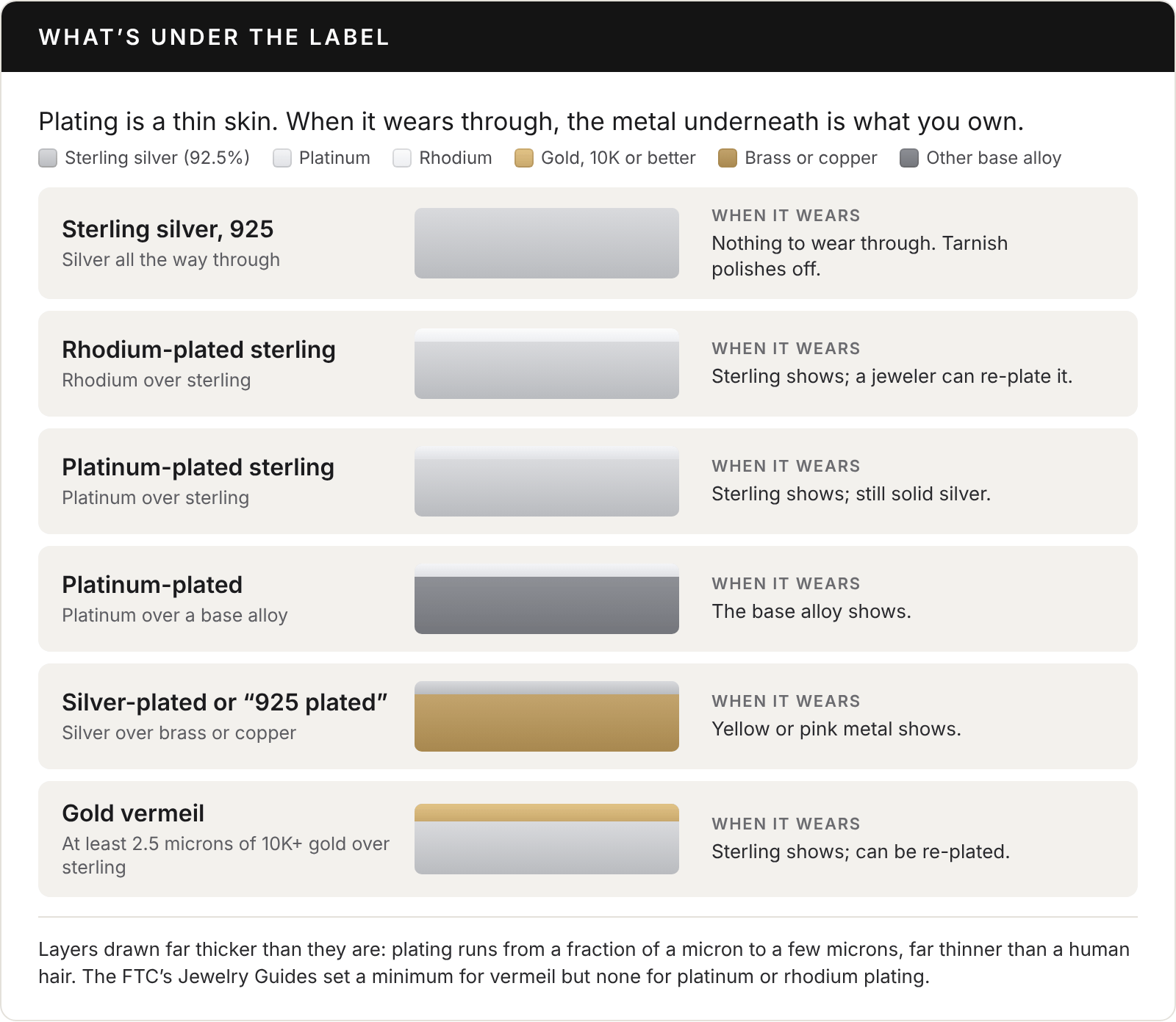
| Label | What it is | What’s underneath | What to know |
|---|---|---|---|
| 925 or sterling silver | What it is92.5% silver, the rest usually copper | What’s underneathSterling all the way through | What to knowTarnishes, but polishes back; can be repaired and resized |
| Rhodium-plated sterling | What it isSterling with a rhodium layer, usually under 1 micron | What’s underneathSterling | What to knowOn a ring worn daily, typically re-plated every 12 to 18 months |
| 925 platinum-plated | What it isSterling with a platinum layer | What’s underneathSterling | What to knowWears like rhodium; sterling is left when it does |
| Platinum-plated, no 925 | What it isA platinum layer over an alloy or brass | What’s underneathBase metal | What to knowKeep it away from friction and chemicals; worn spots can’t be polished out |
| Silver-plated or “925 plated” | What it isA silver layer over brass or copper | What’s underneathBase metal | What to knowThe FTC says silver-plated pieces may not be stamped “sterling” |
| Gold vermeil | What it isAt least 2.5 microns of 10K or better gold over sterling | What’s underneathSterling | What to knowThe only plating here with a minimum thickness set by US rules |
Rhodium is the plating you are most likely to have met already: much white gold and plenty of sterling is rhodium-plated to keep it bright, and the FTC says sellers must disclose a rhodium surface layer on pieces marked or described as precious metal. Our comparison of sterling silver and white gold covers what that means for a ring.
How long plating lasts
Plating wears where a piece rubs: the underside of a ring, the inside of a bracelet, a clasp, the back of a pendant. Rhodium on a ring or pendant worn every day typically needs redoing every 12 to 18 months, according to Gabriel & Co., which notes that it is usually applied at no more than about 1 micron; on a piece worn now and then, plating can last several years.
Platinum plating wears the same way, and most sellers don’t say how thick theirs is. If a listing gives the thickness in microns, it is worth comparing; a thicker coat lasts longer. Chemicals speed the wear: chlorine and household cleaners attack plating, so take plated pieces off for the pool and for cleaning, and wash them with mild soap and water rather than a silver dip or a polishing cloth, which can strip the layer.
How to tell what you’re buying
- Read the material line, not the title. Look for the base metal and the plating together: “925 sterling silver, platinum-plated” or “brass, platinum-plated.” If the base isn’t named, ask the seller.
- Look at the stamp. A sterling base is usually stamped 925 or STERLING. Silver-plated pieces may not be stamped “sterling” under the FTC Guides, and a 925 stamp on plated brass would misrepresent it.
- Ask for the thickness. In microns. Vermeil must have at least 2.5; for platinum and rhodium there is no minimum, so the number is the seller’s to give.
- Compare it with the same style in sterling. If the plated piece costs about the same, you are paying for the design and the brand, not for more precious metal.
- Check it when it arrives, using the stamp and home tests in our guide to telling if silver is real. Skip any scratch test on a plated piece you want to keep or return, because it removes the plating.
Which should you buy?
- For a piece you’ll wear every day for years: solid sterling. It can be polished, resized, soldered, and re-plated, and it keeps its metal value, as our guide to what sterling silver is worth explains.
- If you dislike tarnish: rhodium- or platinum-plated sterling. You get a bright white surface with sterling underneath, and a jeweler can renew the plating when it wears.
- For a trend piece you may not keep: plated base metal is fine, as long as the price reflects what it is.
- If your skin reacts to some metals: ask what the base is, because your skin touches it once the plating wears; our guide to whether sterling turns your finger green covers the common reactions.
FAQ
Is platinum-plated jewelry real platinum?
Only on the surface. Underneath is sterling or another metal; to be sold as platinum in the US, a piece has to be at least 950 parts per thousand pure platinum.
Does platinum plating wear off?
Yes, gradually, starting where the piece rubs. How fast depends on the thickness and how often you wear it; rhodium, a similar plating, typically needs redoing every 12 to 18 months on a ring worn daily.
Is platinum-plated better than sterling silver?
It looks brighter and doesn’t tarnish while the plating lasts. Sterling is the more durable buy, because it is precious metal all the way through and can be polished and repaired. Platinum-plated sterling gives you both.
What does “925 platinum plated” mean?
Sterling silver, stamped 925, with a thin platinum layer on top. When the plating wears, you still have sterling underneath.
Does platinum-plated jewelry tarnish?
The platinum surface doesn’t. Where the plating wears through to sterling, that spot can tarnish; where it wears through to brass or copper, it can discolor.
Is Pandora’s platinum-plated jewelry sold in the US?
Pandora hasn’t announced a US date. It began a pilot in the Netherlands in July 2026 and plans a broader test across markets in the fourth quarter of 2026 before scaling up in 2027.
Bottom line
“Platinum-plated” describes the surface, not the piece. Over sterling, it adds a bright, tarnish-free finish to metal that is precious all the way through; over a base alloy, it is a thin precious skin on ordinary metal. Read the material line for the base, ask for the thickness, and for anything you plan to wear every day for years, sterling, plated or not, is the safer buy.

From the collection
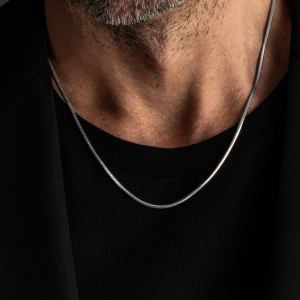
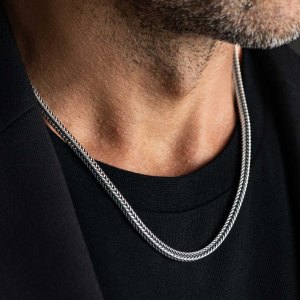
Men’s sterling silver chains by Ronatelli
Ten handmade 925 chains, from a 2 mm snake chain to a 7 mm curb, in 20 to 26 inches. Every length is the same price.
Related guides
Definitions of platinum, platinum plating, silver plating, vermeil, gold electroplate, and the rhodium disclosure follow the FTC’s Guides for the Jewelry, Precious Metals, and Pewter Industries, 16 CFR Part 23. Pandora’s plans follow its second-quarter 2026 report and reporting by JCK, TheStreet, and IDEX; rhodium wear and thickness follow Gabriel & Co. All were checked on October 30, 2026. Read our editorial policy.

